Archives
- 2026-05
- 2026-04
- 2026-03
- 2026-02
- 2026-01
- 2025-12
- 2025-11
- 2025-10
- 2025-09
- 2025-03
- 2025-02
- 2025-01
- 2024-12
- 2024-11
- 2024-10
- 2024-09
- 2024-08
- 2024-07
- 2024-06
- 2024-05
- 2024-04
- 2024-03
- 2024-02
- 2024-01
- 2023-12
- 2023-11
- 2023-10
- 2023-09
- 2023-08
- 2023-07
- 2023-06
- 2023-05
- 2023-04
- 2023-03
- 2023-02
- 2023-01
- 2022-12
- 2022-11
- 2022-10
- 2022-09
- 2022-08
- 2022-07
- 2022-06
- 2022-05
- 2022-04
- 2022-03
- 2022-02
- 2022-01
- 2021-12
- 2021-11
- 2021-10
- 2021-09
- 2021-08
- 2021-07
- 2021-06
- 2021-05
- 2021-04
- 2021-03
- 2021-02
- 2021-01
- 2020-12
- 2020-11
- 2020-10
- 2020-09
- 2020-08
- 2020-07
- 2020-06
- 2020-05
- 2020-04
- 2020-03
- 2020-02
- 2020-01
- 2019-12
- 2019-11
- 2019-10
- 2019-09
- 2019-08
- 2019-07
- 2019-06
- 2019-05
- 2019-04
- 2018-11
- 2018-10
- 2018-07
-
There are five phosphorylated serines in casein However only
2019-08-01
There are five phosphorylated serines in β-casein. However, only phosphorylated Ser35 was identified in the samples hydrolysed with GE at 37 and 50 °C, i.e., f32-42 and f32-44 of β-casein. The identification indicates that phosphorylated peptides were less detectable from the non-phosphorylated pept
-
Overall the evidence and the results from in
2019-08-01
Overall, the evidence and the results from in vivo studies clearly indicate that cyclosporine biotransformation can be induced by dasatinib co-administration through induction of CYP3A expression. However, further studies are needed to explore the role of P-gp modulation in DDIs. Conclusion In v
-
br Acknowledgements The study of
2019-08-01

Acknowledgements The study of RING-type E3s continues to grow extremely rapidly. We regret that it was possible to only cite a fraction of the outstanding primary publications in this field. This work was supported by the National Institute of General Medical Sciences grants R01 GM088055 and R01
-
rad51 Ginsenoside Re lysine mixture had increased anticancer
2019-08-01
Ginsenoside Re-lysine mixture had increased anticancer effects upon heat processing by regulating Bcl-2 and Bax (Yamabe et al., 2013). Ginsenoside Re (20mg/kg) inhibited NF-κB activation by inhibiting LPS binding to TLR4 on macrophages in TNBS-treated mice (Lee, Hyam, Jang, Han, & Kim, 2012). The ch
-
parp apoptosis pathway A different example of substrate depe
2019-08-01
A different example of substrate-dependent activation is seen in CSN5, a JAMM-type DUB found in the eight subunit COP9 signalosome (CSN) [34]. The CSN deconjugates NEDD8 (neural precursor cell expressed developmentally downregulated 8) from Cullin Ring ubiquitin E3 ligases (CRLs). Through this activ
-
We found that the postnatal absence of norepinephrine yields
2019-08-01

We found that the postnatal absence of norepinephrine yields differing effects depending on noradrenergic receptor type and Lubiprostone region. The density of α1-AR, indicated by [3H]prazosin binding was similar between Dbh+/− and Dbh−/− mice except for a significant increase in hippocampus in Dbh
-
Funding sources This study was
2019-08-01

Funding sources This study was funded by European Community’s Seventh Framework Programme under grant agreement No. 305662 (Project: Community-based scheduled screening and treatment of malaria in pregnancy for improved maternal and infant health: a cluster-randomized trial ‘COSMIC’). Acknowledg
-
br Introduction The discoidin domain receptors DDRs
2019-08-01
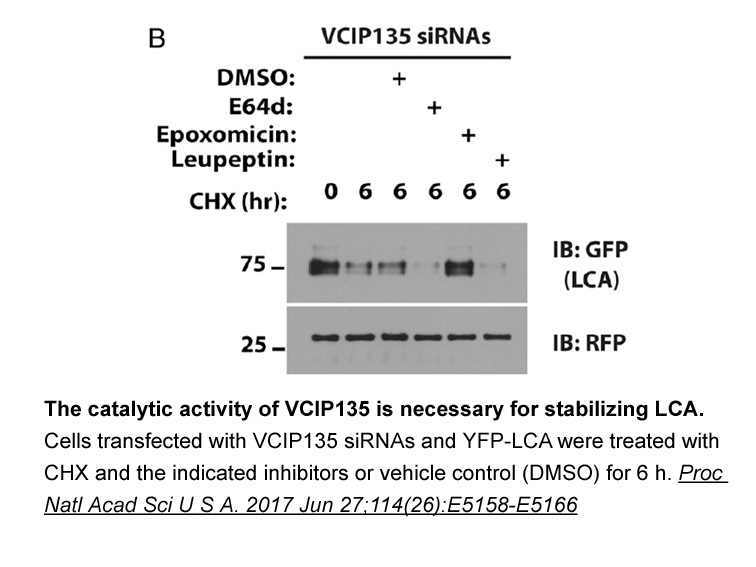
Introduction The discoidin domain receptors (DDRs), DDR1 and DDR2, are unique among the receptor tyrosine kinases (RTKs) in being activated by interaction with the extracellular matrix [1], [2]. Binding to triple-helical collagen is mediated by the receptor extracellular domains that include an N
-
br Conclusions br Acknowledgments This work
2019-08-01

Conclusions Acknowledgments This work was supported by a grant from NIH from the National Institutes on Arthritis and Musculoskeletal and Skin Diseases [AR056092]. Introduction Prior exposure to stressors has been consistently associated with the manifestation and/or exacerbation of psychi
-
Hyaluronic acid HA also called
2019-08-01

Hyaluronic Caspase-9 Colorimetric Assay Kit (HA), also called hyaluronan is widely distributed in Extra Cellular Matrix of soft connective tissues including skin, umbilical cord and synofial fluid (Hanamura et al., 2008). Hyaluronic acid has a unique ability to hold 6000mL of water in 1mg of HA and
-
br Conclusions br ISG is an ubiquitin like protein
2019-08-01
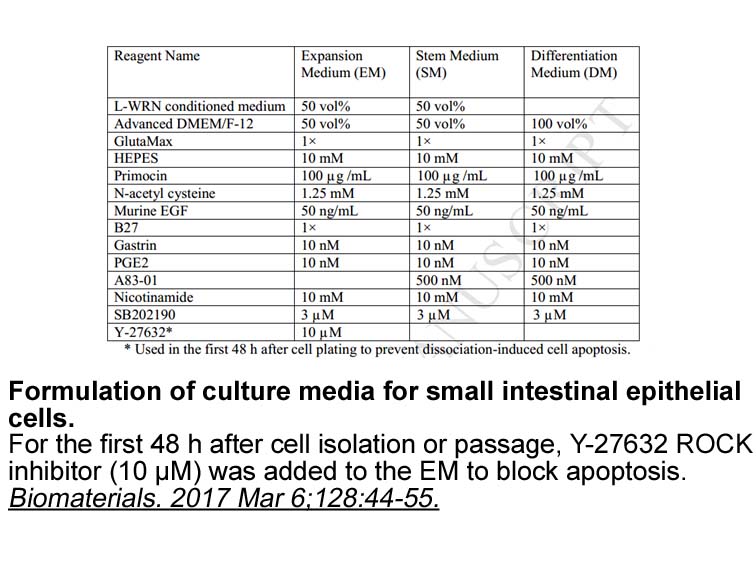
Conclusions ISG15 is an ubiquitin‐like protein that is induced by treating mammalian Nicotinamide with interferon‐α/β. UbE1L was identified as the E1‐activating enzyme for ISG15 in the course of experiments that demonstrated that the nonstructural or NS1 protein of influenza B virus inhibits IS
-
It is well known that nanostructured
2019-08-01

It is well known that, nanostructured transition metal oxides are the most promising candidates as electrode for pseudocapacitors due to their attractive properties such as environmentally friendly, high theoretical capacitance, low cost and easily abundant [15], [16]. Numerous investigations have b
-
One of the critical functions of the product
2019-08-01
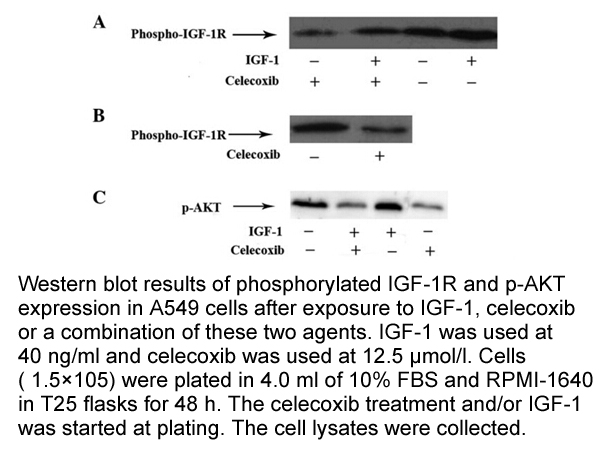
One of the critical functions of the product of the AR gene is to activate the expression of target genes. This transactivation activity resides in the N-terminal domain of the protein encoded in exon 1, which contains polymorphic repeats. These trinucleotide repeats, (CAG) and (GGC), encode polyglu
-
br Materials and methods br Results br Discussion In this
2019-08-01
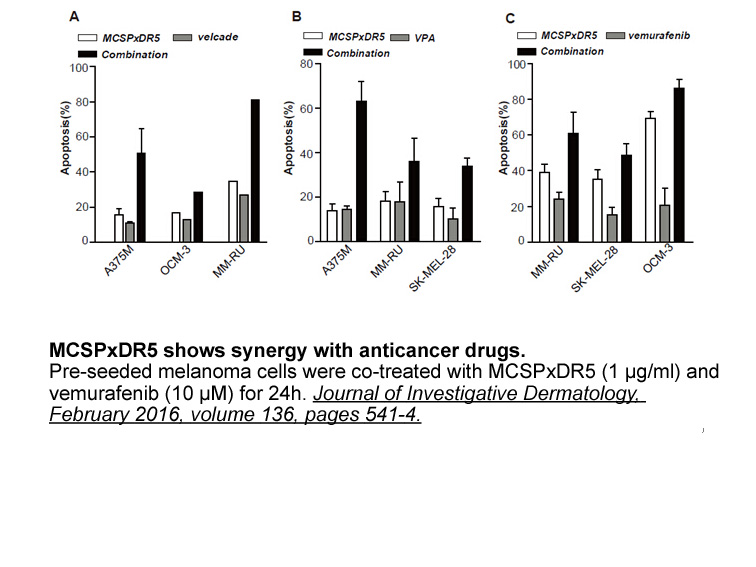
Materials and methods Results Discussion In this paper, we have demonstrated application of the glmS ribozyme reverse genetic tool for chemogenomic profiling in Plasmodium spp. This tool can provide robust attenuation of expression for different target genes, across different strains varyin
-
In this report we established mouse
2019-07-31
In this report, we established mouse models suitable for human retinal cell transplantation by introducing phosphodiesterase 6B (Pde6b) mutant allele from retinal degeneration (rd) mouse models into NOG background. Pde6b (rd1) and Pde6b (rd10) mice are well-studied and frequently used animal models
16262 records 1005/1085 page Previous Next First page 上5页 10011002100310041005 下5页 Last page