Archives
- 2026-10
- 2026-09
- 2026-08
- 2026-07
- 2026-06
- 2026-05
- 2026-04
- 2026-03
- 2026-02
- 2026-01
- 2025-12
- 2025-11
- 2025-10
- 2025-09
- 2025-03
- 2025-02
- 2025-01
- 2024-12
- 2024-11
- 2024-10
- 2024-09
- 2024-08
- 2024-07
- 2024-06
- 2024-05
- 2024-04
- 2024-03
- 2024-02
- 2024-01
- 2023-12
- 2023-11
- 2023-10
- 2023-09
- 2023-08
- 2023-07
- 2023-06
- 2023-05
- 2023-04
- 2023-03
- 2023-02
- 2023-01
- 2022-12
- 2022-11
- 2022-10
- 2022-09
- 2022-08
- 2022-07
- 2022-06
- 2022-05
- 2022-04
- 2022-03
- 2022-02
- 2022-01
-
In our previous report we synthesized
2023-11-08
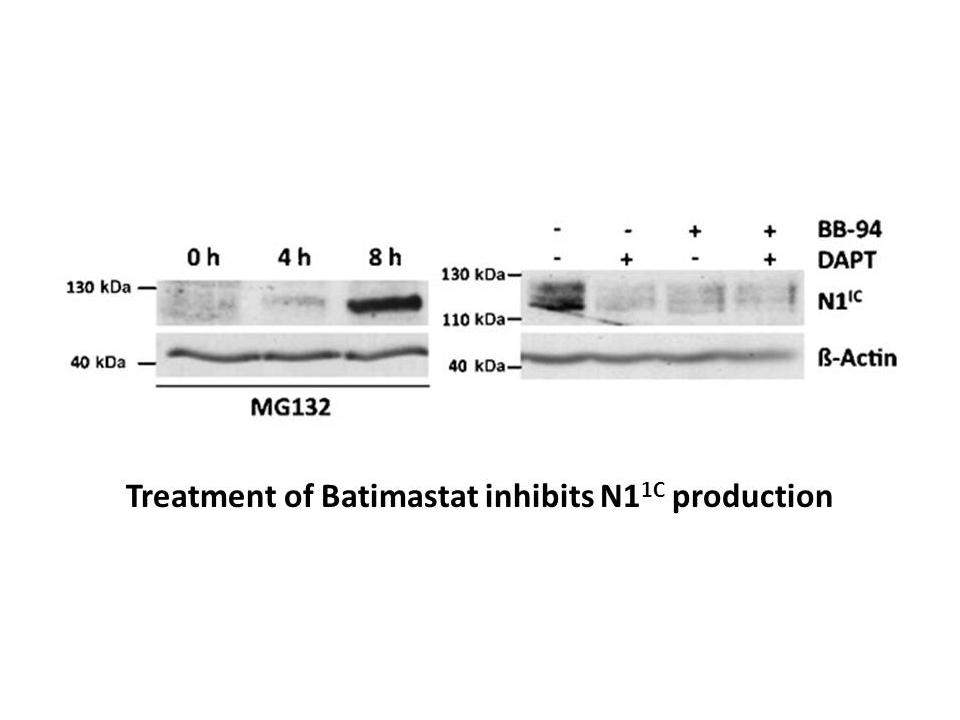
In our previous report, we synthesized derivatives with some straight chain residues on the 2-position of the 3-cyanopyridine ring of compound 1. In this time we tried to introduce aromatic ring on the chain of the 2-position. Namely, we replaced the hydroxyl-alkylamino group in the position 2 of t
-
Compound was synthesized by reacting amino methoxybenzoate w
2023-11-07
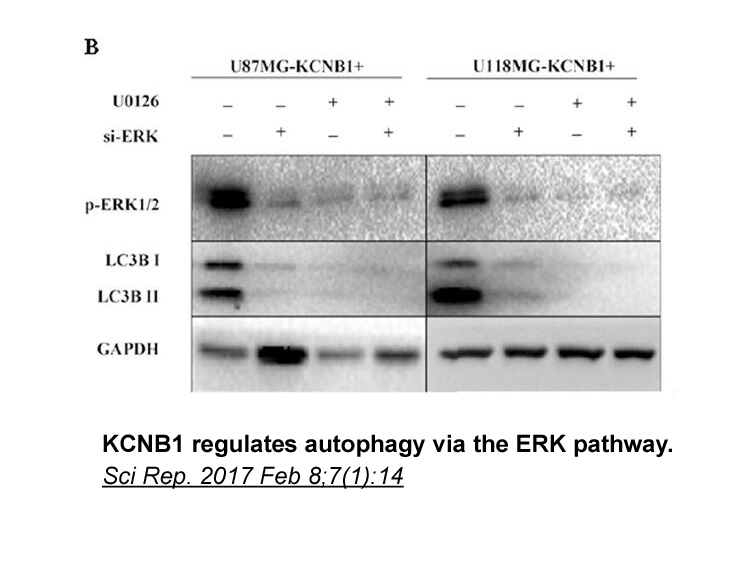
Compound 31 was synthesized by reacting 5-amino-2-methoxybenzoate (28) with ethanesulfonyl chloride in the presence of pyridine in DCM to give sulfonamide 29. Hydrolysis of 29 by aqueous sodium hydroxide afforded the BI-7273 30 which was converted to the acid chloride by heating in thionyl chloride
-
There is a delicate balance between ROS generation and scave
2023-11-07
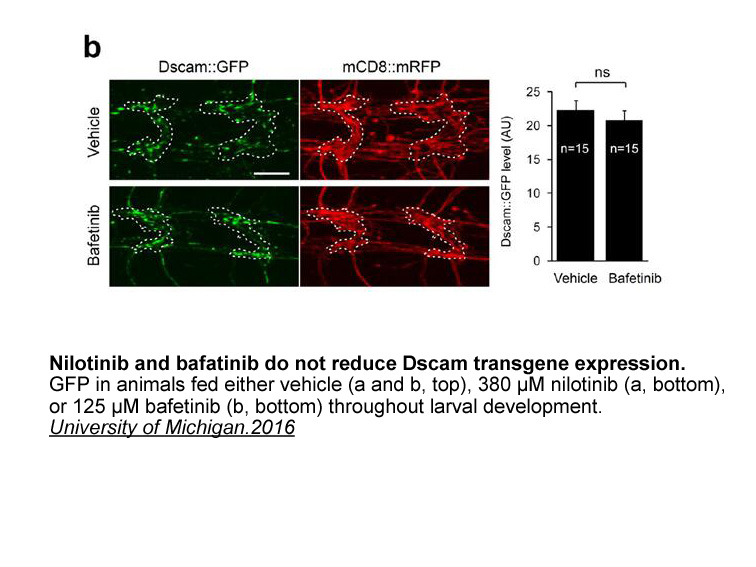
There is a delicate balance between ROS generation and scavenging by the protective antioxidant defenses in the cell. Antioxidant systems present in the 5-Ethynyl-2'-deoxyuridine australia include enzymes like superoxide dismutase (SOD), catalases, glutathione peroxidases (GPxs) and peroxiredoxins (
-
br Materials and methods br Acknowledgement
2023-11-07
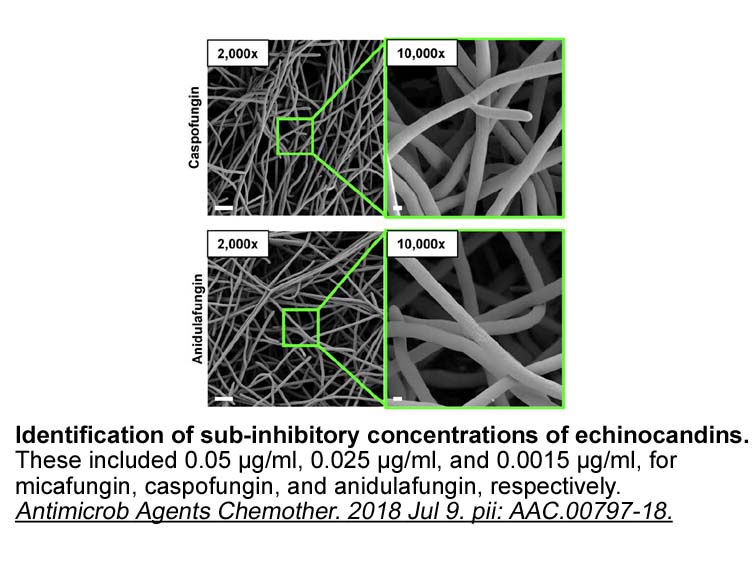
Materials and methods Acknowledgement This work was supported by the Beijing Natural Science Foundation (Grant no. 6151001), and the National Natural Science Foundation of China (Grant no. 31572516). Introduction Staphylococcus aureus is an important microorganism responsible for both clin
-
Plant tissues were thought to be natural sources containing
2023-11-07
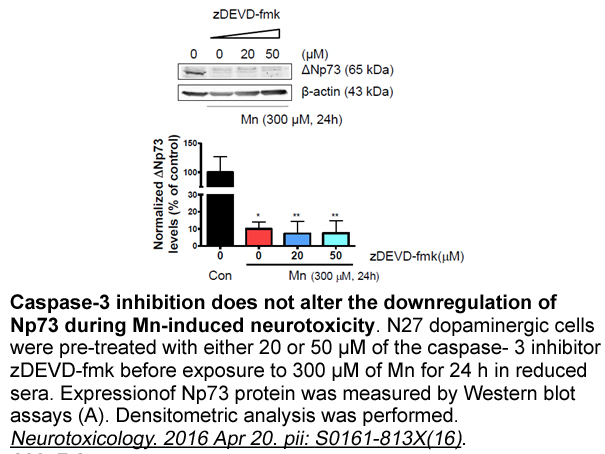
Plant tissues were thought to be natural sources containing different types of antioxidant compounds (tocopherols, ascorbic acid, carotenoids, and phenolic compounds). As a general classification, antioxidants were grouped as vitamins (ascorbic acid, tocopherols), carotenoids (condensed tannins, xa
-
HMGA proteins have also been linked to localized changes in
2023-11-07
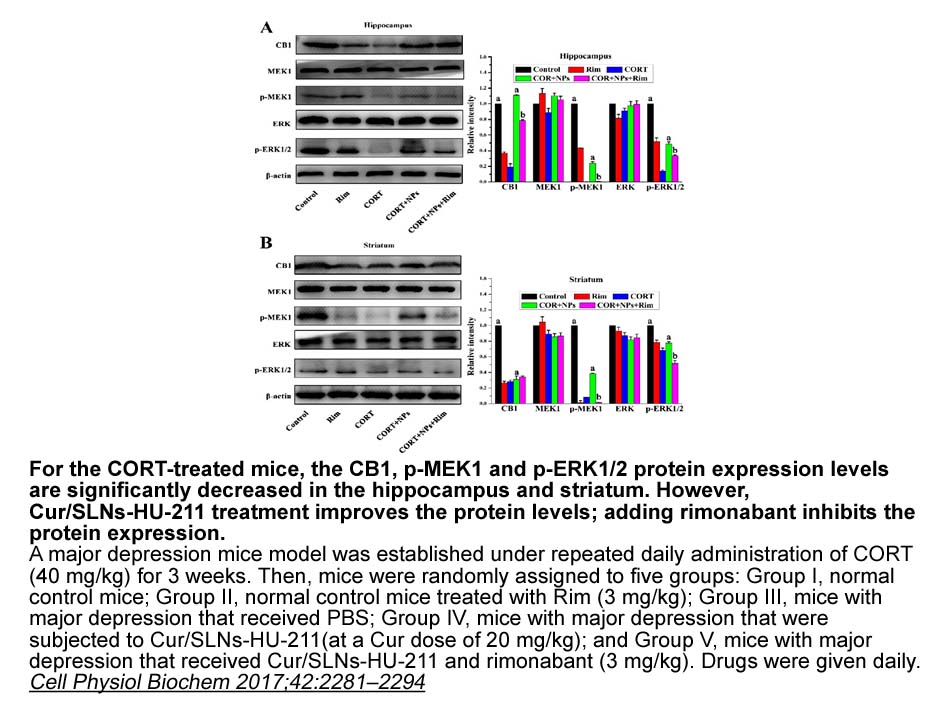
HMGA proteins have also been linked to localized changes in chromatin/nucleosome structure and alterations of cellular phenotype during induction of gene transcription in activated T lymphocytes. An adaptive immune response is initiated when naïve resting T lymphocytes encounter their corresponding
-
A number of studies indicate the involvement of the
2023-11-07
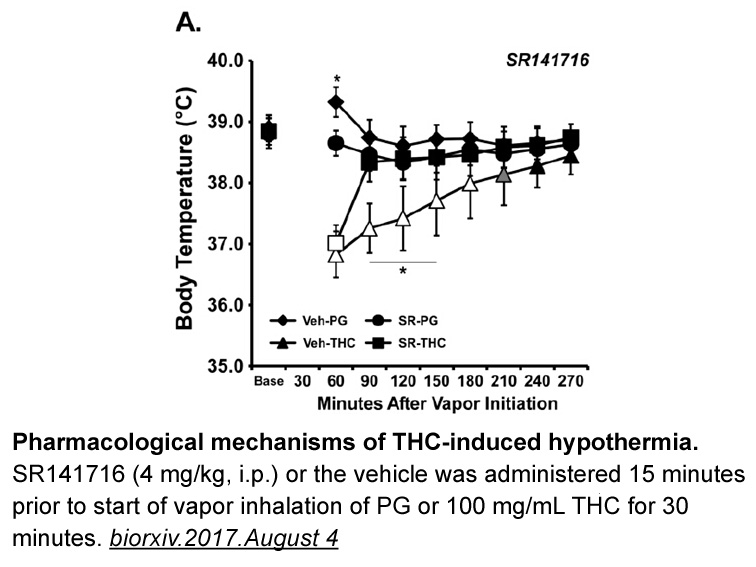
A number of studies indicate the involvement of the classical AR or a splice variant that translocate to the membrane, via a palmitoylation mechanism, similar to ERα (Acconcia et al., 2005, Acconcia et al., 2004, Acconcia et al., 2003), since AR equally contains the required nine amino ion channel
-
The most common adverse effects were ARIA which occurred
2023-11-07
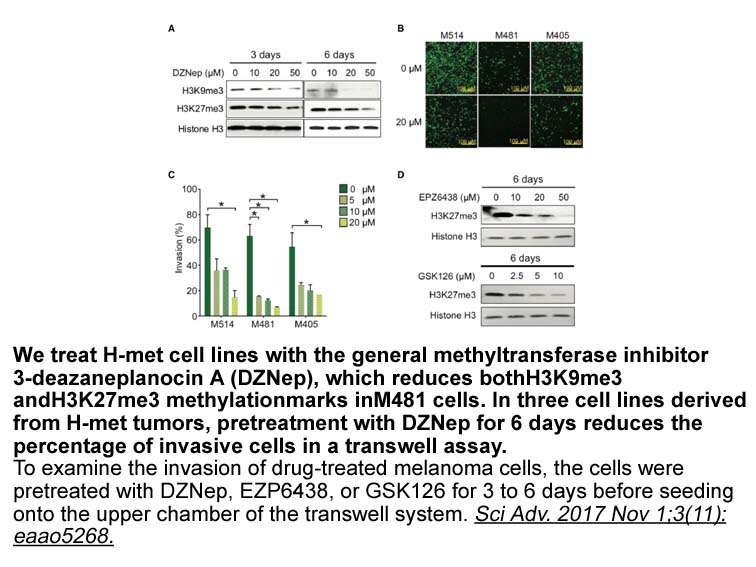
The most common adverse effects were ARIA, which occurred at higher levels than in any previous anti-Aβ mAb study. ARIA-E was observed at some point during the trial in no participants in the placebo group compared with 1 (3%), 2 (6%), 11 (37%), and 13 (41%) participants receiving 1, 3, 6, and 10 mg
-
The molecular mechanisms that mediate the plasticity of
2023-11-07
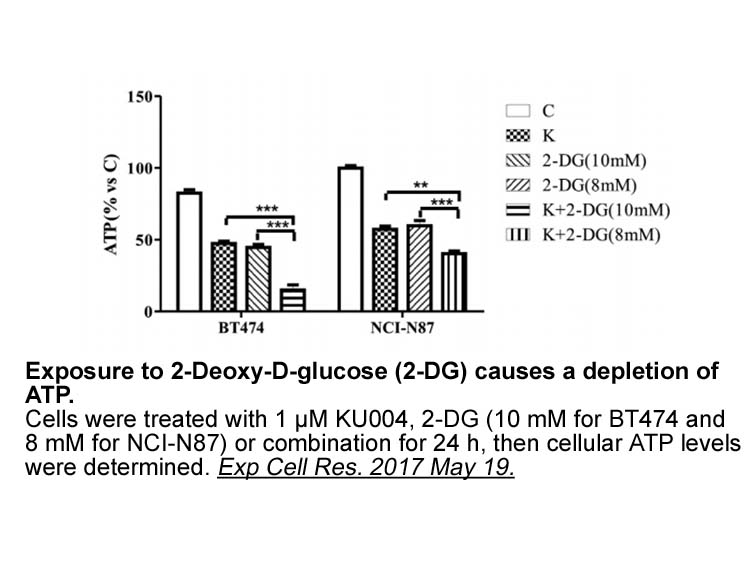
The molecular mechanisms that mediate the plasticity of the NMJ are not well understood. PGC-1α is a master regulator of the NMJ gene expression program 23, 24, and thus AMPK might indirectly regulate the NMJ via its broad influence on the coactivator. Cerveró et al.[6] recently provided more direct
-
Evidence shows that glial activation increases
2023-11-07
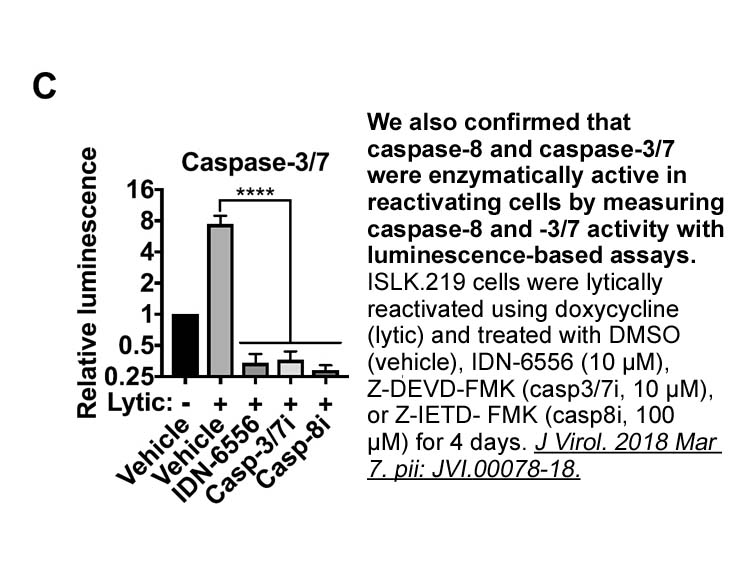
Evidence shows that glial activation increases the expression of cytokines and chemokines in Parkinson's disease, which precede the degeneration of the substance nigra (Halliday and Stevens, 2011, Tansey and Goldberg, 2010). The use of non-steroidal anti-inflammatory drugs (except aspirin) can preve
-
Through an extensive SAR optimization
2023-11-07

Through an extensive SAR optimization campaign with the 4-((2-hydroxy-3-methoxybenzyl)amino)-benzenesulfonamide-based scaffold researchers have developed ML355 ((N-benzo[d]thiazol-2-yl)-4((2-hydroxy-3 methoxybenzyl)amino)benzenesulfonamide) [5]. ML355 is a nonreductive, noncompetitive, reversible 12
-
Moreover mice exposed to high cholesterol diet have mildly
2023-11-07
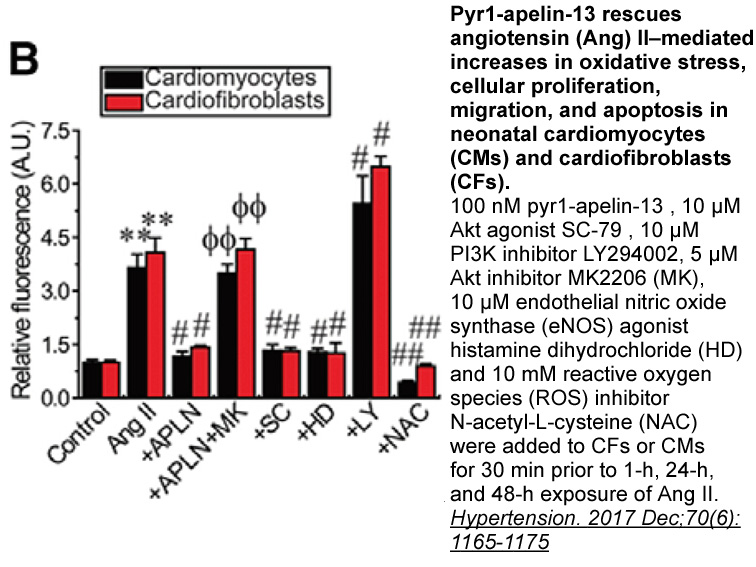
Moreover, mice exposed to high-cholesterol diet have mildly activated astrocytes, increased expression of ApoE and aquaporin-4 in the hippocampus, and altered levels of proteins associated with Aβ metabolism (Chen et al., 2016), which is related to a higher demand for cholesterol transport and the n
-
D-NMAPPD With regard to the correlation
2023-11-07
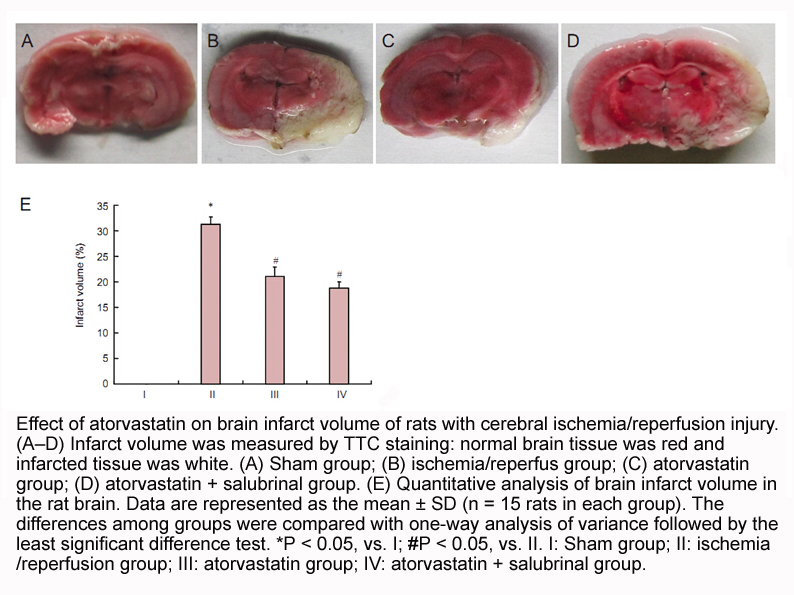
With regard to the correlation between -rearrangements and thromboembolic events, Zer et al. reported a VTE rate of 36% in a cohort of 98 patients with ALK-positive NSCLC. Of note, VTE was also associated with shorter overall survival (HR: 5.71, =0.01) . Only few others have investigated NSCLC drive
-
In conclusion our study would seem to
2023-11-07
In conclusion, our study would seem to indicate that a hydrophilic microenvironment, which is suitable to accommodate highly hydrophilic molecules with steric hindrance such as aldose hemiacetals, allows the enzyme modulation by one of its most important physiopathological substrates. It is difficul
-
Besides its multiple peripheral effects
2023-11-07

Besides its multiple peripheral effects adiponectin may ameliorate insulin resistance by acting in the brain, and intracerebroventricular administration of adiponectin in rodents decreases body weight by stimulating energy expenditure [13]. Adiponectin most likely crosses the blood-CSF-barrier (BCB)
8055 records 282/537 page Previous Next First page 上5页 281282283284285 下5页 Last page