Archives
- 2026-05
- 2026-04
- 2026-03
- 2026-02
- 2026-01
- 2025-12
- 2025-11
- 2025-10
- 2025-09
- 2025-03
- 2025-02
- 2025-01
- 2024-12
- 2024-11
- 2024-10
- 2024-09
- 2024-08
- 2024-07
- 2024-06
- 2024-05
- 2024-04
- 2024-03
- 2024-02
- 2024-01
- 2023-12
- 2023-11
- 2023-10
- 2023-09
- 2023-08
- 2023-07
- 2023-06
- 2023-05
- 2023-04
- 2023-03
- 2023-02
- 2023-01
- 2022-12
- 2022-11
- 2022-10
- 2022-09
- 2022-08
- 2022-07
- 2022-06
- 2022-05
- 2022-04
- 2022-03
- 2022-02
- 2022-01
- 2021-12
- 2021-11
- 2021-10
- 2021-09
- 2021-08
- 2021-07
- 2021-06
- 2021-05
- 2021-04
- 2021-03
- 2021-02
- 2021-01
- 2020-12
- 2020-11
- 2020-10
- 2020-09
- 2020-08
- 2020-07
- 2020-06
- 2020-05
- 2020-04
- 2020-03
- 2020-02
- 2020-01
- 2019-12
- 2019-11
- 2019-10
- 2019-09
- 2019-08
- 2019-07
- 2019-06
- 2019-05
- 2019-04
- 2018-11
- 2018-10
- 2018-07
-
br Conclusion and future directions GS is an
2021-11-02
Conclusion and future directions GS is an important therapeutic target for the treatment of Alzheimer's disease. Its structure and function have been studied during the last years to understand the substrate cleavage mechanism to modulate the Aβ42 peptide production. The recent elucidation of GS
-
Recently Bristol Myers Squibb and Merck
2021-11-02

Recently, Bristol-Myers Squibb and Merck reported their GPR40 agonist research focused on the modification of α,β-position of phenylpropionic resveratrol derivatives. For example, in recent published patent applications, Bristol-Myers Squibb claimed the pyrrolidine and dihydropyrazole GPR40 agonist
-
Ning et al showed that LPC appeared to increase
2021-11-02
Ning et al. showed that LPC 18:1 appeared to increase insulin release through both GPR119-dependent and -independent mechanisms (Ning et al., 2008). In our study, we have shown that not only GPR119 but also GPR40 and GPR55 participate in LPC-stimulated insulin secretion (Fig. 4, Fig. 5) and target p
-
Factor Xa FXa has emerged as a particularly
2021-11-02

Factor Xa (FXa) has emerged as a particularly promising target for the development of effective anticoagulant drugs because FXa acts at the convergence point of the extrinsic and intrinsic coagulation pathways. It efficiently catalyzes the conversion of prothrombin to thrombin with one molecule of F
-
br STAR Methods br Acknowledgments We
2021-11-02
STAR★Methods Acknowledgments We thank the Shanghai Synchrotron Radiation Facility (SSRF) BL18U for help with X-ray data collection. We thank Dr. Thomas F.J. Martin for providing the pcDNA3.1-CAPS-1 plasmid and Dr. Xiaofei Yang for providing the pFHUUIG_shortU6 (l309) plasmid. We thank Dr. Shun
-
Epigenetic inheritance is regarded as the genetic
2021-11-01
Epigenetic inheritance is regarded as the genetic modification of Florfenicol that affects gene expression and related processes of other DNAs but does not directly change the DNA coding sequence [18]. Epigenetic inheritance includes DNA methylation, histone modification, and noncoding RNA expressio
-
chenodeoxycholic acid australia br Results br Discussion HIV
2021-11-01
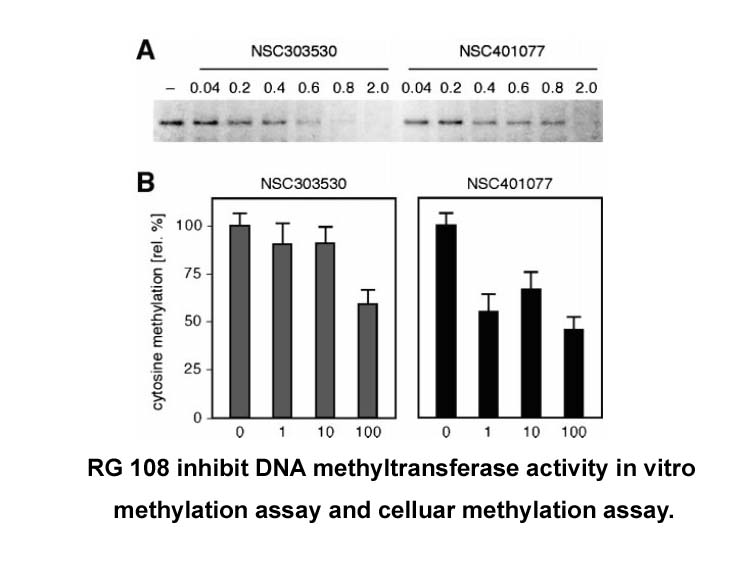
Results Discussion HIV reservoirs represent a major barrier to HIV eradication (Archin et al., 2014, Kimata et al., 2016), and substantial research efforts are being directed toward the goal of identifying and eliminating this obstacle to cure (Archin and Margolis, 2014, Pitman et al., 2018).
-
Posttraining memory facilitation by histamine infused into
2021-11-01
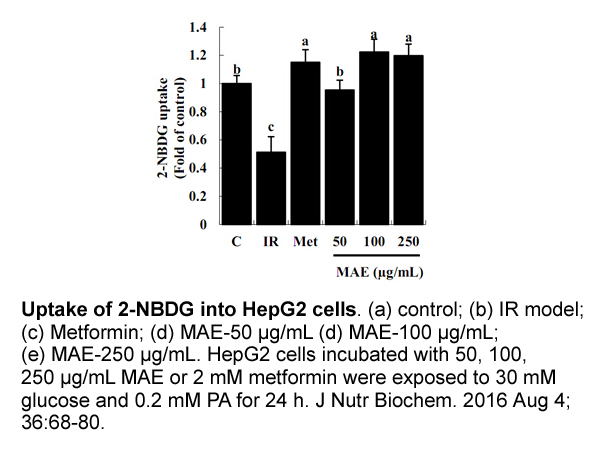
Posttraining memory facilitation by histamine infused into the dorsal hippocampus was also observed in two more recently described and very important non-aversive forms of memory: object recognition (da Silveira, Furini, Benetti, Monteiro, & Izquierdo, 2013) and social recognition (Garrido Zinn et a
-
br Introduction Adenosine triphosphate ATP is an organic mol
2021-11-01

Introduction Adenosine-5′-triphosphate (ATP) is an organic molecule (nucleoside triphosphate) which consists of adenine, ribose, and three phosphoric Ticlopidine HCl receptor residues. ATP serves as a temporary carrier of energy in all living cells, so it is a common substance in any organism. I
-
In conclusion studies of the regulation of
2021-11-01

In conclusion, studies of the regulation of the HO-1/BVR/CO pathway by selective pharmacological approaches may lead to the discovery of novel compounds for the treatment of diverse diseases. Recent results validate the use of advances in targeting HO-1 in various vascular diseases. However, there a
-
It is extremely difficult to predict a plausible conformer o
2021-11-01
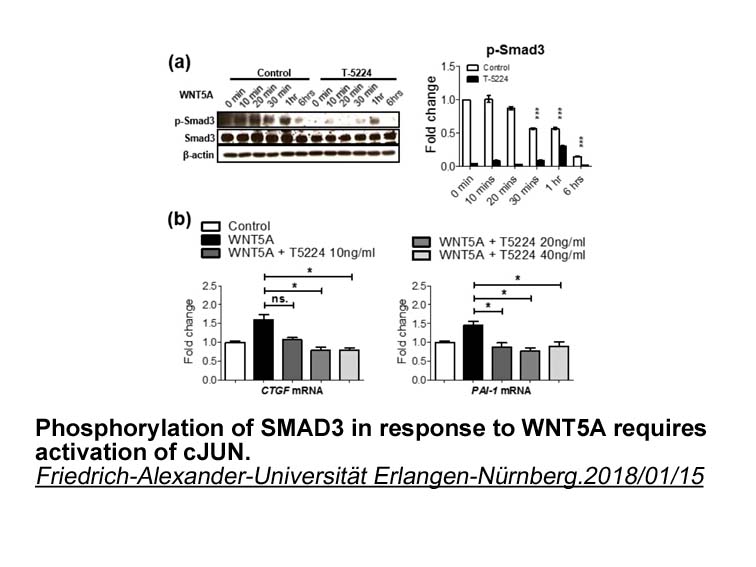
It is extremely difficult to predict a plausible conformer of hsGCαβ heterodimer with right orientation of multiple domains. Even though the template identities in case of dimeric domains were not high enough but still we modelled the entire heterodimeric structure of hsGCαβ with a reasonable and ju
-
G protein coupled receptor GPCR
2021-11-01
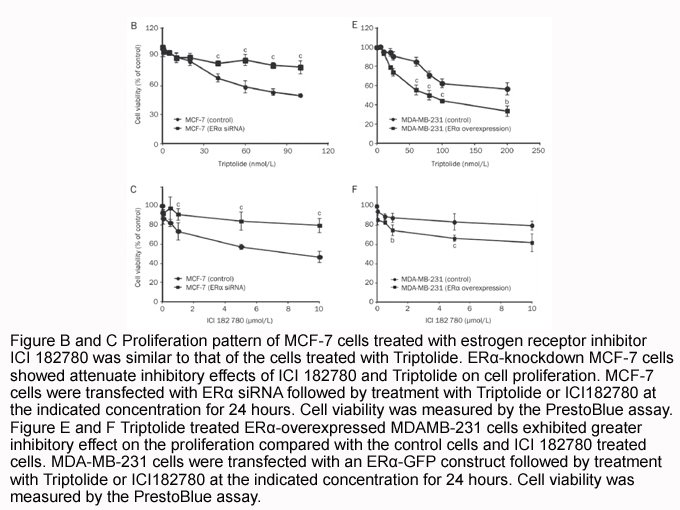
G-protein-coupled receptor (GPCR) ligands can be classified as either orthosteric or allosteric modulators. Orthosteric and endogenous ligands bind to the same site, which is topologically distinct from the allosteric site. In general, the binding domains of different orthosteric ligands may not exa
-
The mammalian AMPA receptor protein family comprises four su
2021-11-01

The mammalian AMPA receptor protein family comprises four subunits, termed GluR-A through GluR-D (or GluR1 through GluR4), which form hetero-tetrameric receptor complexes Dingledine et al. 1999, Rosenmund et al. 1998. These subunits possess distinctive intracellular C-terminal domains that can be gr
-
Although encoded by a single gene GR
2021-11-01
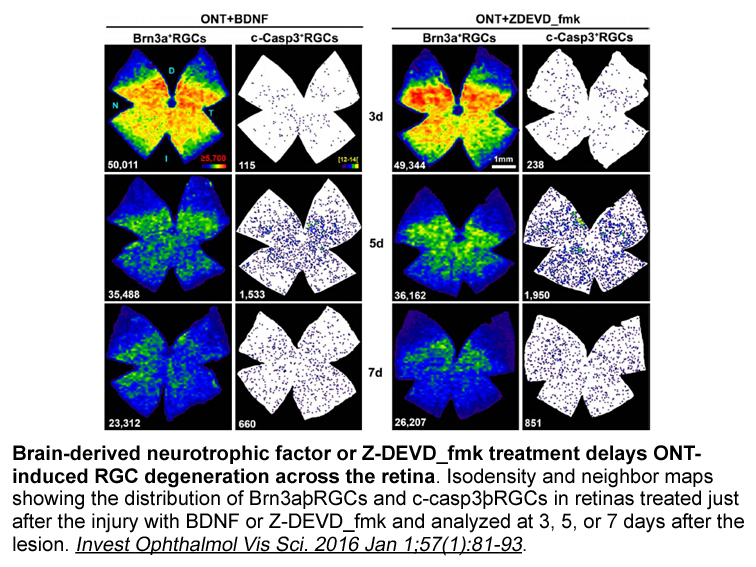
Although encoded by a single gene, GR displays considerable heterogeneity through the combined effects of alternative mRNA splicing, alternative translation initiation, and complex post-translational modification. Differential expression of the various GR isoforms may contribute to tissue-specific f
-
Genetic disruption or pharmacologic inhibition of the
2021-11-01
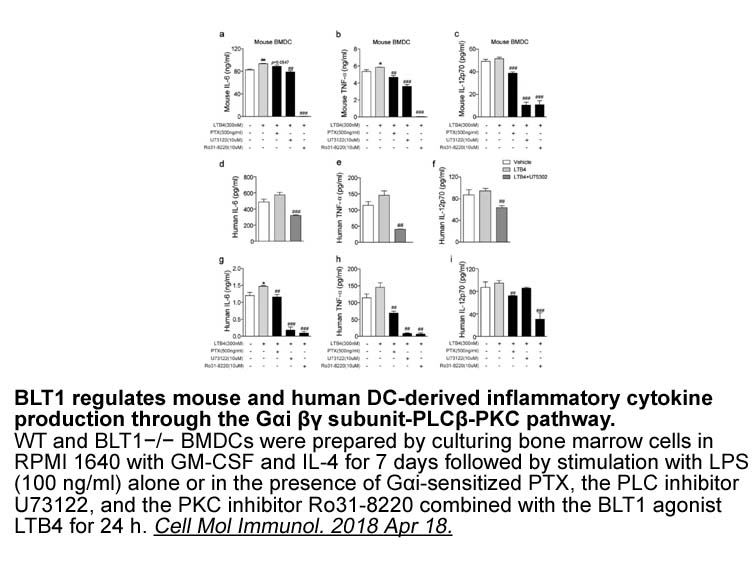
Genetic disruption or pharmacologic inhibition of the hepatic glucagon pathway has invariably been shown to increase pancreatic α cell mass. This has been observed in glucagon receptor (GCGR) knockout (Gcgr−/−) mice (Gelling et al., 2003), glucagon knockout mice (Hayashi et al., 2009), prohormone co
16257 records 560/1084 page Previous Next First page 上5页 556557558559560 下5页 Last page